
What Is HYROX? Stations, Weights & Training
HYROX is a global fitness race that combines 8 kilometers (5 miles) of running with 8 functional strength stations — always in the same order, to the same standard worldwide. That's what makes it comparable: your time in Zurich measures up against Hamburg or London. No luck, no off-day excuse, just you against the clock.
HYROX isn't a one-summer trend. It has become its own discipline, one that brings endurance and strength athletes to the same start line. This guide explains honestly what HYROX is, how the format works step by step, which stations await you, how long it takes and how to prepare — including the gear that actually helps in training.
Key facts
- The format: 8 × 1 km running, 8 functional stations in between, always the same order.
- The origin: founded in Hamburg in 2017, today a global race across dozens of cities.
- The duration: roughly 60 to 90+ minutes non-stop, depending on your level.
- Who it's for: beginners to pros — everyone starts in their performance and age group.
- The key: the mix of running under fatigue and strength, known as hybrid training.
Contents
The HYROX formula
Two worlds, one race: endurance meets functional strength.
What is HYROX, exactly?
HYROX is a standardized fitness race for everyone. You run a total of 8 kilometers, split into eight 1-kilometer segments. After each run comes a functional station — from sled push to rowing to wall balls. Every athlete covers the exact same course under the same conditions. That's the core: full comparability worldwide.
Many people search for what HYROX means or stands for. The honest answer: HYROX is a brand name and a coined word, not an acronym with a hidden meaning (it's pronounced "high-rocks"). What it describes is a form of high-intensity functional training in a race format — its own discipline between classic endurance sport and strength training.
Origin and meaning: how HYROX started
HYROX was founded in Hamburg in 2017 by event organizer Christian Toetzke and former Olympic hockey champion Moritz Fürste. The idea: a race that closes the gap between the marathon and strength sport, accessible to regular fitness enthusiasts, not just elite athletes.
In just a few years, a German event grew into a global series with races across Europe, North America, Asia and Oceania, drawing hundreds of thousands of participants every season. The appeal lies in a clear promise: same stations, same distances, everywhere. That turns your performance into a real, comparable number.
The format: 8 rounds of running and working
A HYROX always follows the same fixed order. You start with 1 kilometer of running, go to the first station, run another kilometer, hit the next station, and so on — until you cross the finish after the eighth station. Here's the full circuit:
The 8 stations and their weights
Each station challenges a different part of your body. That's exactly why pure running or pure strength training isn't enough. Here are the stations with distance and the official Open Singles weights:
| Station | Distance / reps | Men (Open) | Women (Open) |
|---|---|---|---|
| SkiErg | 1000 m | full-body | full-body |
| Sled Push | 50 m | 152 kg | 102 kg |
| Sled Pull | 50 m | 103 kg | 78 kg |
| Burpee Broad Jumps | 80 m | bodyweight | bodyweight |
| Rowing | 1000 m | full-body | full-body |
| Farmers Carry | 200 m | 2 × 24 kg | 2 × 16 kg |
| Sandbag Lunges | 100 m | 20 kg | 10 kg |
| Wall Balls | 100 / 75 reps | 6 kg to 3 m | 4 kg to 2.7 m |
How long does a HYROX race take?
For most participants, the moving time is between roughly 60 and 90 minutes, non-stop, with no real break. Very strong athletes go under an hour; beginners and age-groupers often need 90 minutes or more. What decides your time isn't your running or your strength alone, but how well you connect the two and how clean you stay in the transitions.
The biggest hurdle is rarely the stations themselves, but the running after a hard station, when your legs and lungs are already burning. That's exactly where your time is won or lost.
HYROX in Switzerland
HYROX has arrived in Switzerland too. HYROX Switzerland events run in cities such as Geneva and St. Gallen, with a growing network of gyms offering race-specific preparation with sleds, ski ergs and wall balls. Locations and dates change from season to season, so check the official HYROX race calendar before you plan your competition.
Training and preparation: your path to the finish
HYROX rewards hybrid training: the combination of running, strength and functional movement. Run only, and you'll fall apart at the stations. Lift only, and you'll lose it on the course. The goal is to bring both together under fatigue.
Running under load
Train runs right after strength work so your body knows the switch. It's called compromised running.
Functional strength
Focus on sled, farmers carry, lunges and wall balls. Drill the real movements, not just machines.
Simulate the race
In the final weeks, build in full or half simulations to practice pacing and transitions.
Recovery
Mobility, sleep and recovery aren't extras. Without them you won't hold the volume.
A simple starting point for beginners: two to three strength sessions and two runs per week, at least one of them combining both. In the final four to six weeks before the event, race simulation moves into focus.
The right gear for HYROX
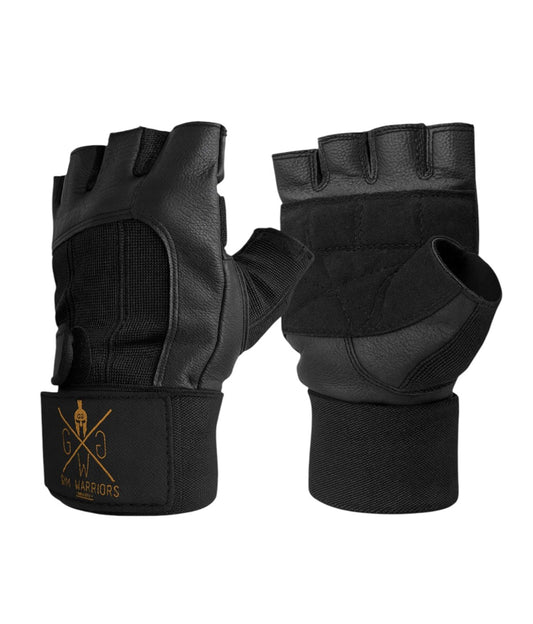
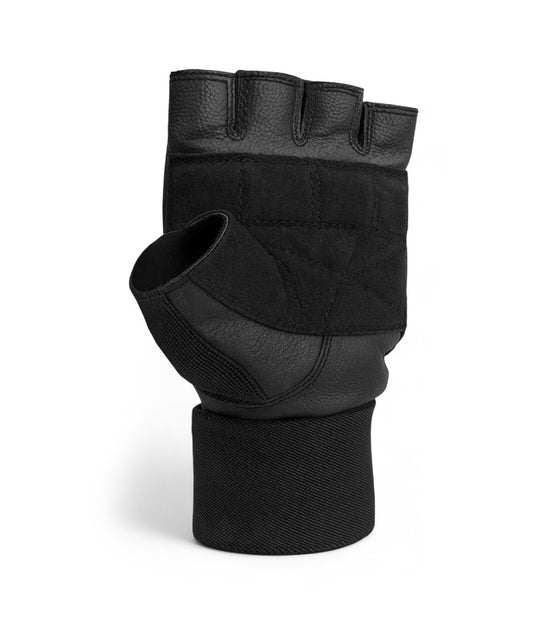
You don't need a closet full of equipment, but the right pieces make training and race day easier. Functional clothing that wicks sweat, grippy gloves for the sled and farmers carry, a towel and a bag that fits it all. These pieces go with you from the first session to the start line:
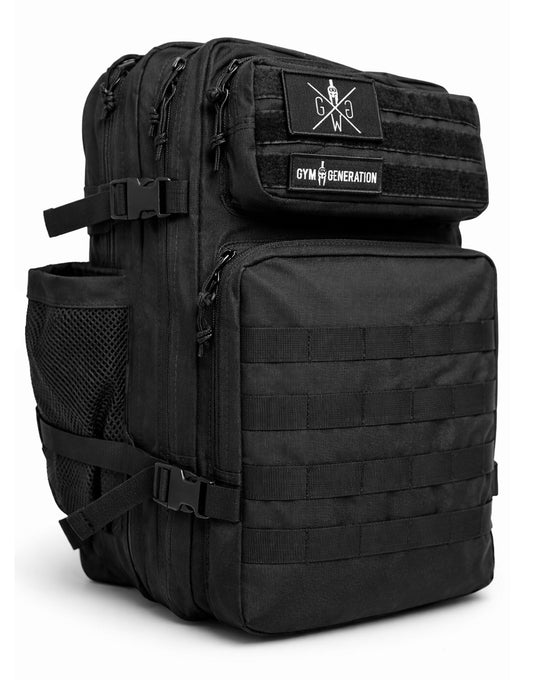
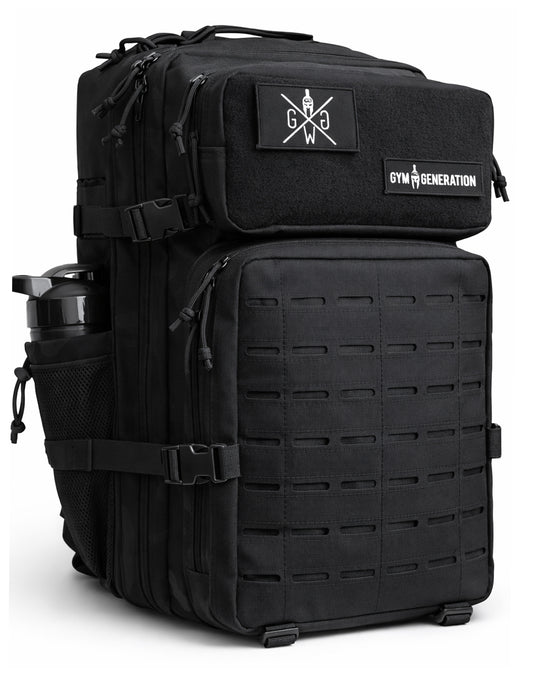
 For everythingExplorer Backpack45 liters, rugged and splash-proof. Shoes, spare kit and gear in one.View
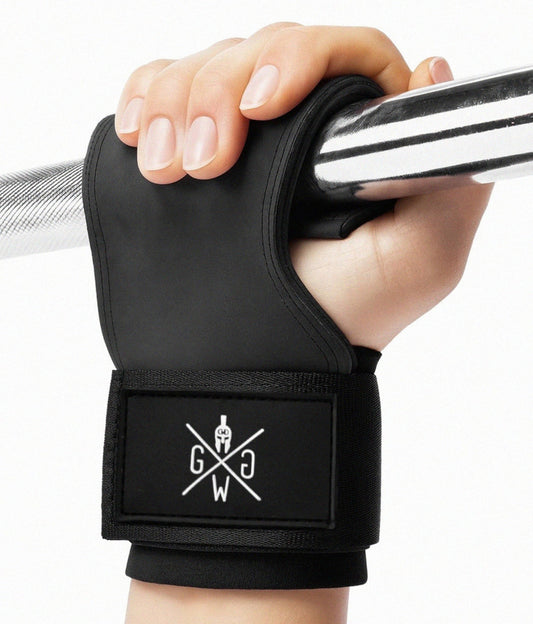
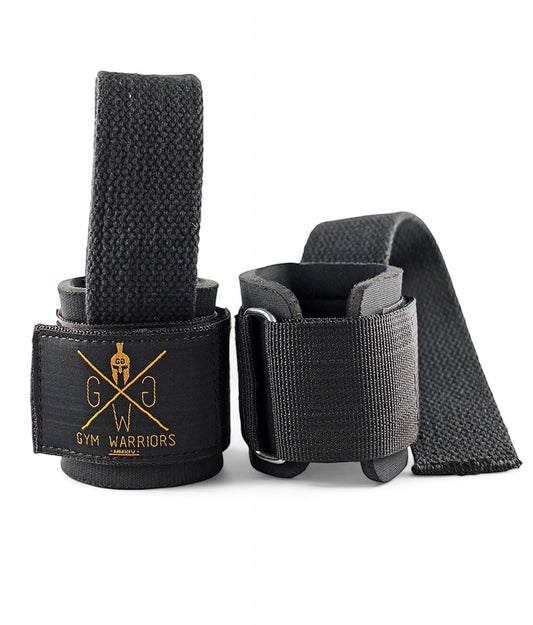
 Grip & protectionLeather Gym GlovesProtection and hold on the sled, the farmers carry and the bar. Fewer blisters, more grip.View
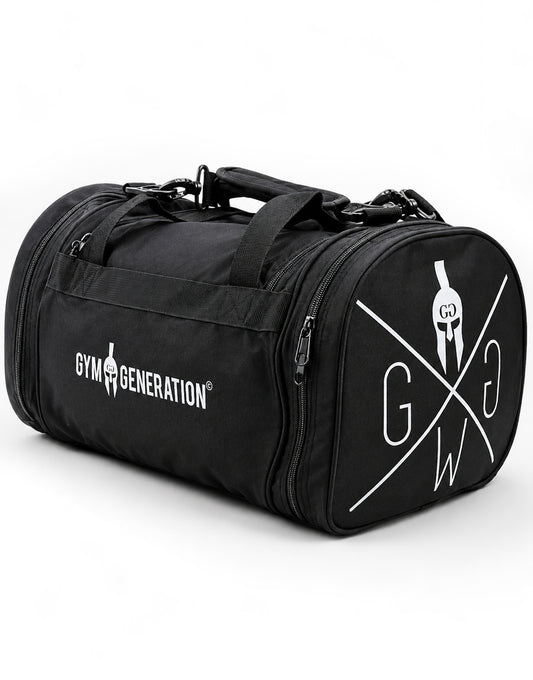
 Gym & eventGym Bag MediumBig main compartment for race day or the daily session. Clean and sturdy.View
 For the sessionPremium Gym TowelAbsorbent and compact. Belongs in every bag, especially for sweaty training.View
"It's not the strongest or the fastest who wins HYROX. It's whoever connects both when it hurts."
— Gym Generation
Frequently asked questions about HYROX
What is HYROX, simply explained?
HYROX is a fitness race that combines 8 kilometers of running with 8 functional strength stations. Everyone completes the same order under the same conditions, worldwide, which makes the times directly comparable.
How long does a HYROX take?
For most participants, roughly 60 to 90 minutes non-stop. Very strong athletes stay under an hour; beginners often need 90 minutes or more.
What is the order of the stations?
After each kilometer of running comes a station, always in this order: SkiErg, Sled Push, Sled Pull, Burpee Broad Jumps, Rowing, Farmers Carry, Sandbag Lunges and Wall Balls.
Is HYROX suitable for beginners?
Yes. Everyone starts in their performance and age group, and there's a more accessible Open division. If you train regularly and prepare specifically for a few weeks, you can finish HYROX.
What's the difference between men and women in HYROX?
The format and distances are identical. The loads are adjusted by division: women's Open uses lighter sleds, kettlebells, sandbag and wall ball, throws to a lower wall-ball target (2.7 m versus 3.0 m), and currently does 75 wall balls instead of 100. The challenge stays just as hard. Always check the official rulebook for the exact standards in your division.
What weights does HYROX use?
The weights depend on division and gender. In the Open Singles, the sled push is 152 kg for men and 102 kg for women, the sled pull 103 kg and 78 kg (both including the sled), and the farmers carry 2 × 24 kg and 2 × 16 kg. In the Pro division everything is heavier. The officially valid figures are on the HYROX website.
Do I need special gear for HYROX?
Little is mandatory, but several things help: running shoes with grip, sweat-wicking functional clothing, grippy gloves for the sled and farmers carry, plus a bag and towel for race day.
Is there HYROX in Switzerland?
Yes. HYROX holds official events in Switzerland, in cities such as Geneva and St. Gallen. Locations and dates can change from season to season, so check the official HYROX calendar. Many Swiss gyms also offer race-specific prep classes.
Sources
- HYROX – official race format, stations and divisions, hyrox.com.
- Open Singles weights and the standardized format (8 × 1 km running, 8 stations).
Related reading
- The Hybrid Athlete – why combining strength and endurance is the future.
- Jump Rope Training – explosive conditioning like a boxer.
- Recovery – how to actually handle the volume.
Your gear for training and race day


HYROX is honest. No shortcut, no trick, no off-day excuse. It rewards exactly what you work on in training: putting down kilometers, staying clean under load, and bringing both together when it burns.
Pick an event, give yourself eight to twelve weeks of preparation, and train the transitions, not just the parts. The rest is work. And work, you can do.
Run. Work. Repeat it eight times.
About Gym Generation
Since 2013, Gym Generation has stood for gym wear, training gear and a sporting lifestyle from Switzerland. We don't sell shortcuts — we sell equipment for people who know that results come from work. This guide summarizes the publicly known HYROX format to the best of our knowledge and is updated when things change.
Note: Gym Generation has no business relationship with HYROX and is not an official partner, organizer or supplier. HYROX and the associated names and logos are registered trademarks of their respective owners. This article is editorial, independent and for information only. The products mentioned are general training gear, not official HYROX equipment. The official information on hyrox.com always takes precedence.