How to Build Glutes: The Honest Booty Guide
The booty you want doesn't come from 100 kickbacks with a mini-band. It comes from heavy, progressive strength training — and patience.
Most women train their glutes the wrong way: too light, too many reps, no plan, no progression. This guide shows you the honest way — which exercises actually build glutes, how to get stronger step by step, and which gear helps you do it. No pastel fluff, just what works.
The Short Version
- A booty grows like any muscle: through progressive strength training with increasing weight — not endless mini-band reps.
- The three best exercises: hip thrust, squat, Romanian deadlift. Heavy, through a full range of motion.
- Women build muscle by the same rules as men — just a bit slower. You won't get "bulky".
- Enough protein (0.7–1 g per pound, or 1.6–2.2 g/kg) and a small calorie surplus are non-negotiable. Training alone isn't enough.
- The right gear makes heavy sets safer and more effective — but it never replaces training.
The Uncomfortable Truth About Your Dream Booty
Mini-bands and kickbacks alone don't build a booty. They're great for warming up and activation — but they don't deliver the growth stimulus a muscle needs to grow. For that, you need load that challenges you.
"Toning" isn't a thing. You either build muscle or you lose it. A defined, round booty is simply more glute muscle at a suitable body-fat level — nothing else.
You won't get "too bulky". Women have roughly 10 to 15 times less testosterone than men. Visible muscle gain takes months of hard work — it doesn't happen by accident.
You can't spot-reduce fat on your glutes. Spot reduction is a myth. Shape comes from building muscle plus your overall body-fat level.
The Best Exercises for Your Glutes
Your glutes are made of three muscles (gluteus maximus, medius and minimus). To actually make them grow, you need heavy compound lifts — plus targeted accessory work.
| Exercise | Why it works | Role |
|---|---|---|
| Hip Thrust | The strongest, most targeted glute stimulus there is | Main lift |
| Squat (deep) | Glutes, legs and full-body strength | Main lift |
| Romanian Deadlift | Glutes and posterior chain under stretch | Main lift |
| Lunges / Bulgarian Split Squat | Single-leg — form, symmetry, stability | Accessory |
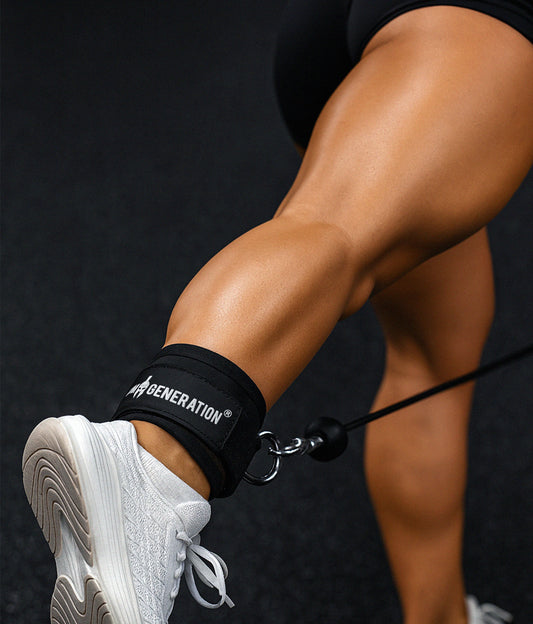
| Cable Kickbacks & Abduction | Targeted glute isolation through a full range | Accessory |
| Hip Abduction / Mini-Band | Activation and detail work on the upper glute | Warm-up / Finisher |
Build your training around the three main lifts. The band and cable are the prep and the finishing touch, not the main stimulus.
Your Gear
Heavy glute training puts demands on your grip, wrists and core — and at the cable you need the right attachment. The right gear makes your sets safer and lets you move more weight. That's exactly what makes the muscle grow.
 Booty BandActivation before the heavy setCHF 18
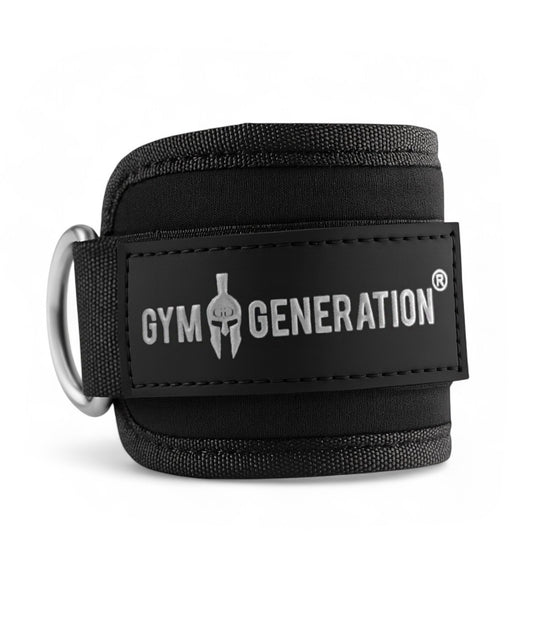
  Ankle StrapsFor cable kickbacks & abductionCHF 19
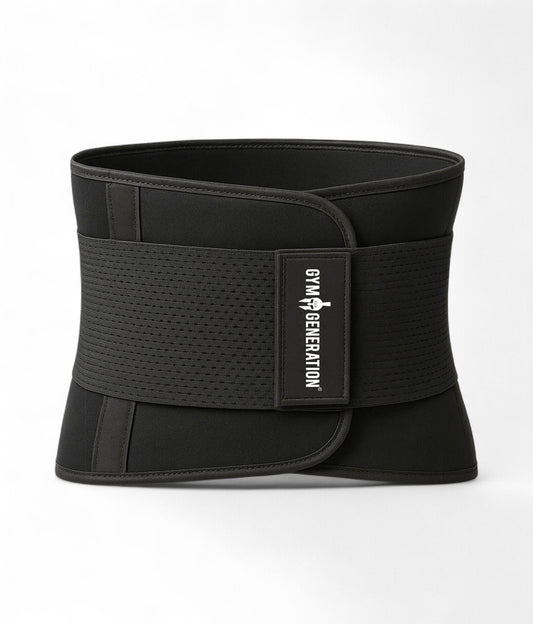
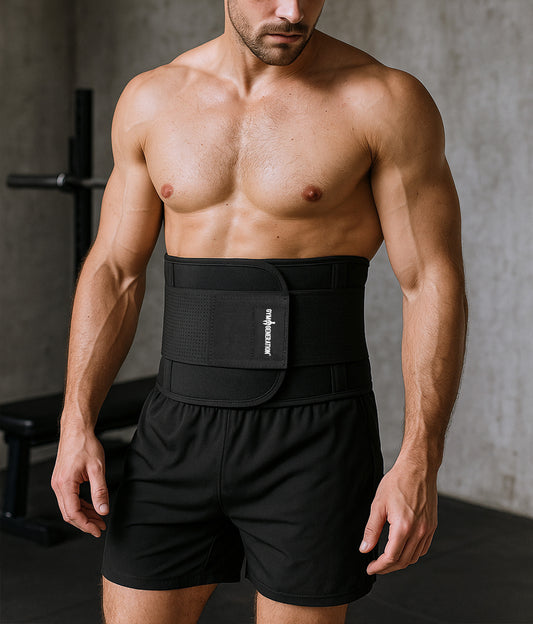
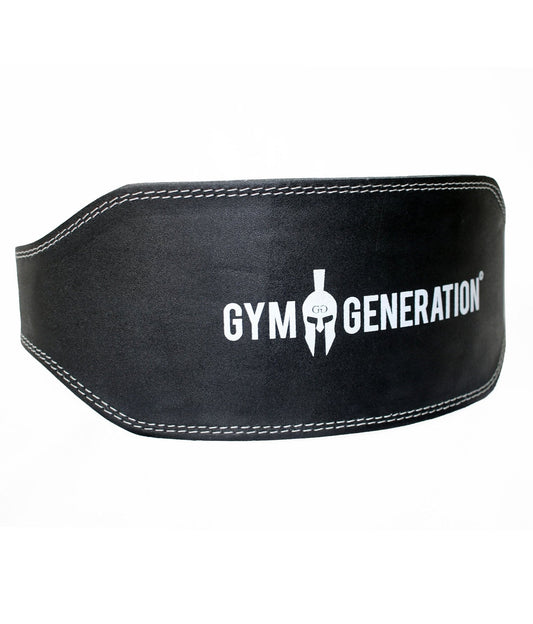
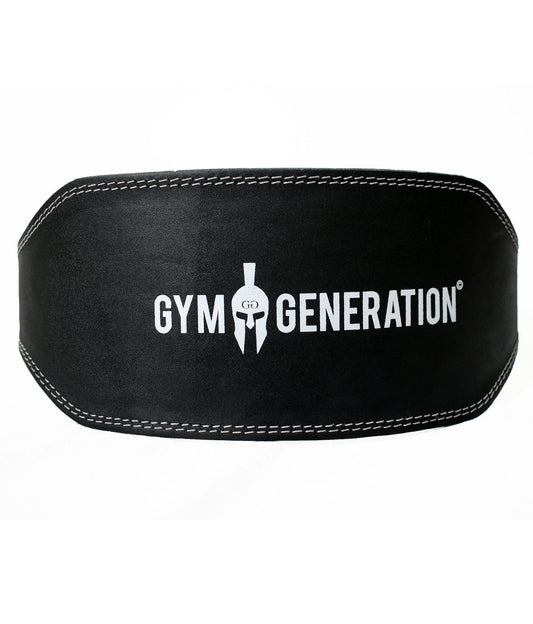
  Women's Lifting BeltCore stability for hip thrusts & squatsCHF 39
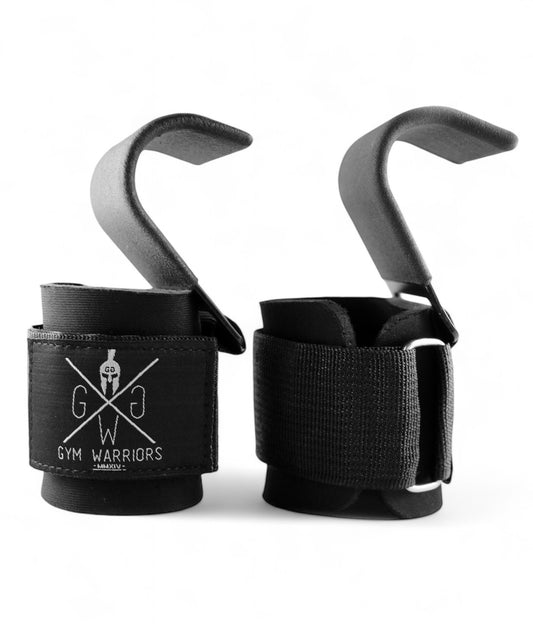
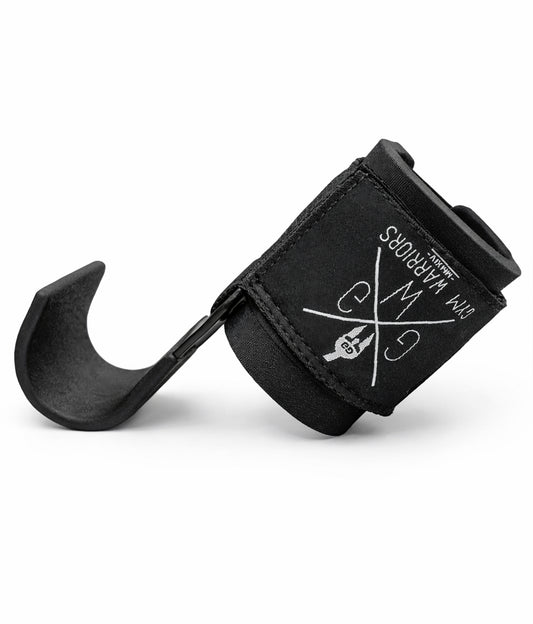
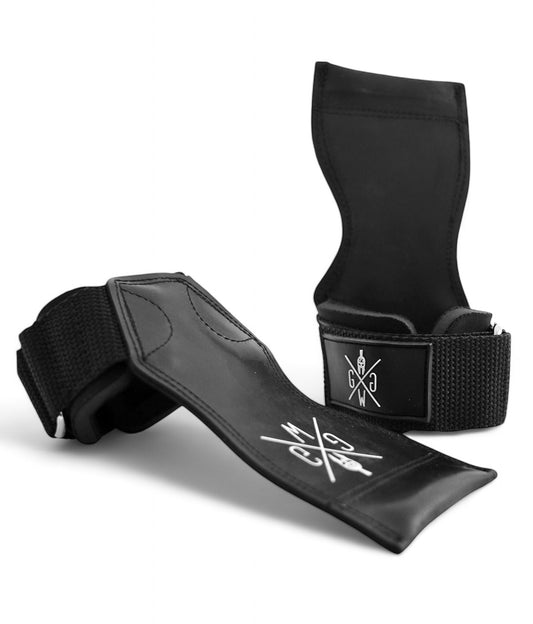
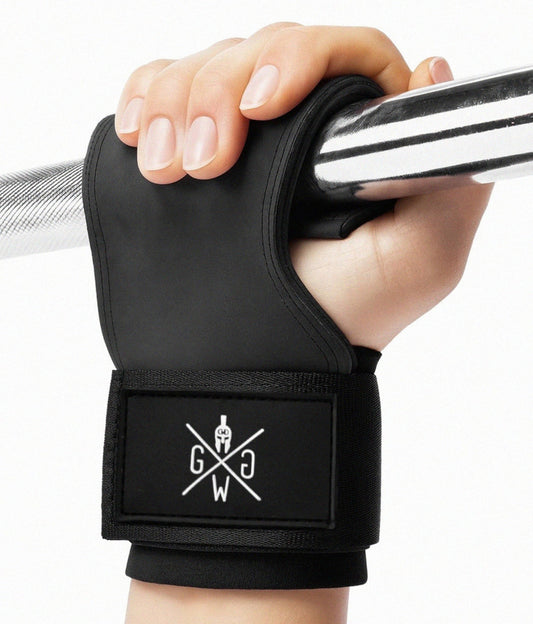
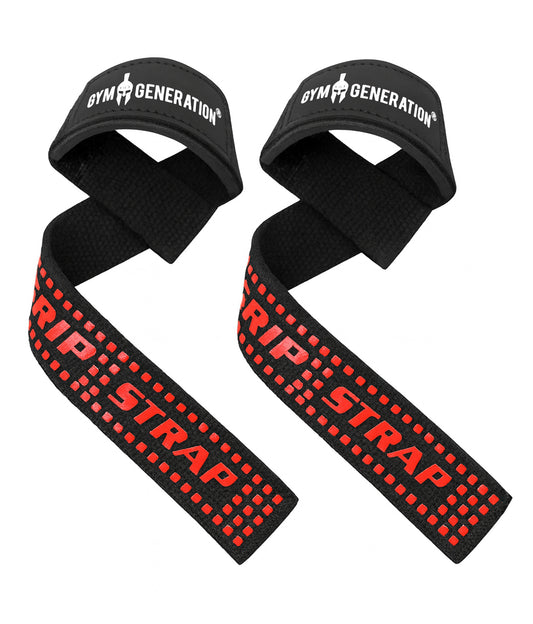
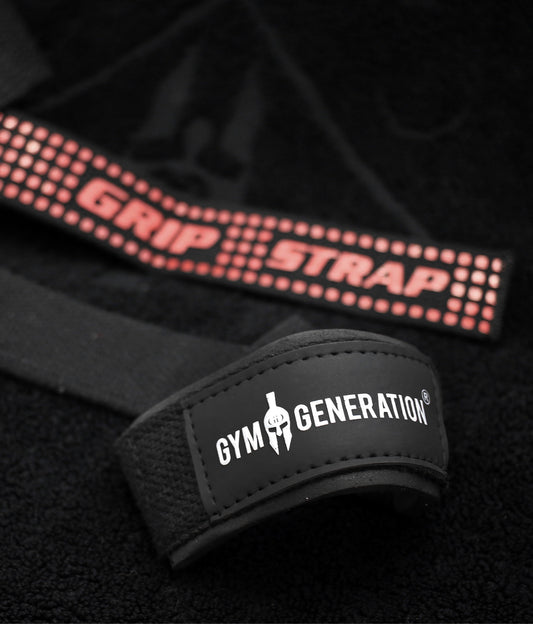
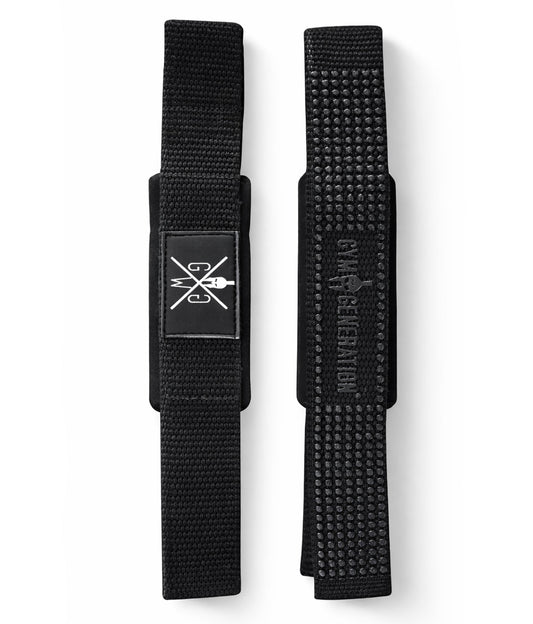
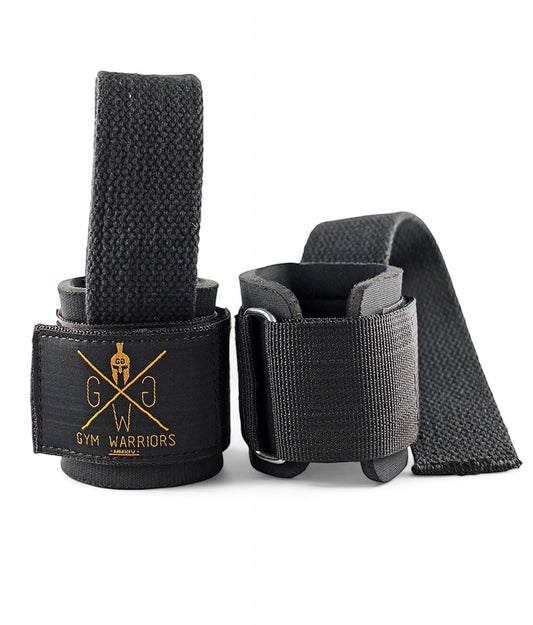
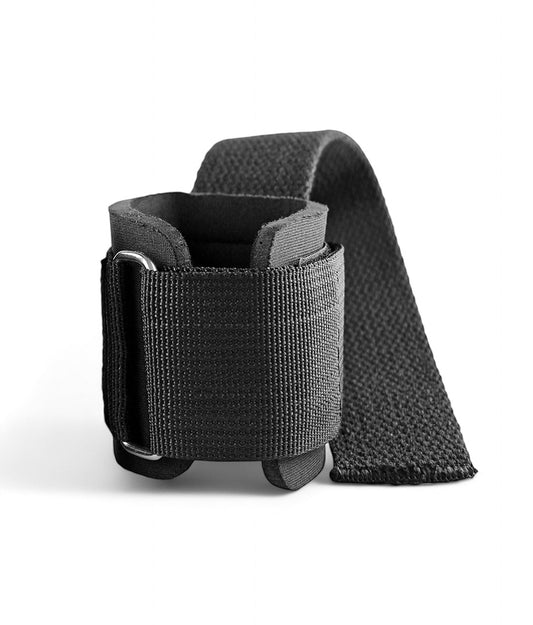
  Lifting StrapsMore grip strength on deadliftsCHF 22
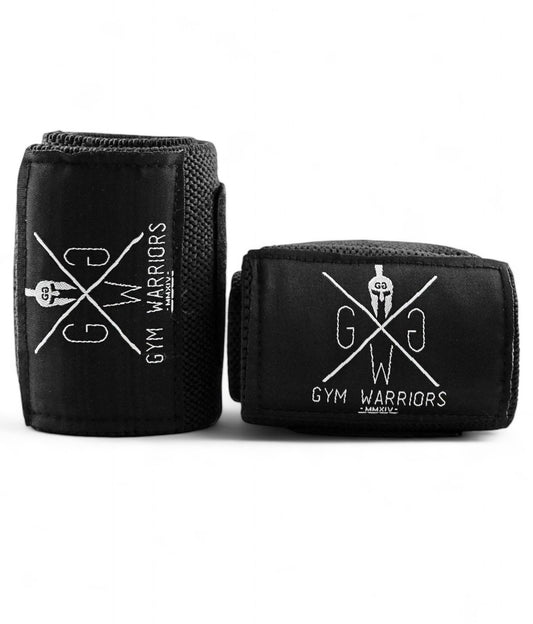
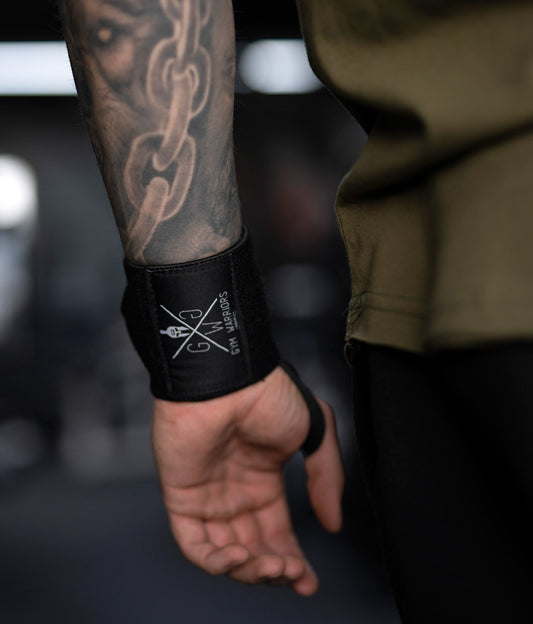
  Wrist WrapsSupport on heavy liftsCHF 19
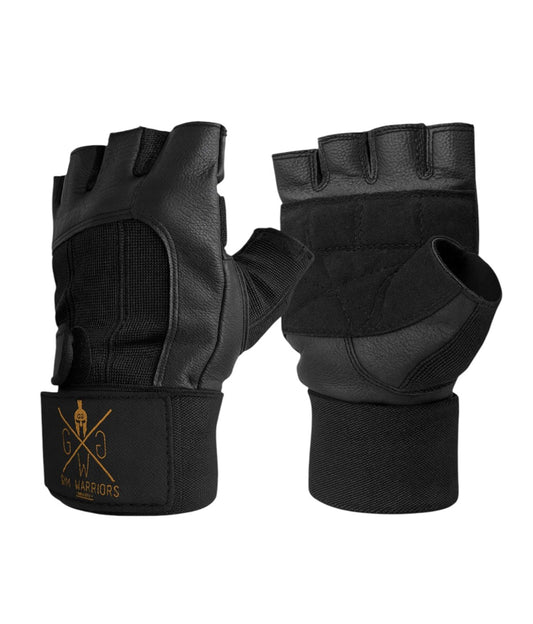
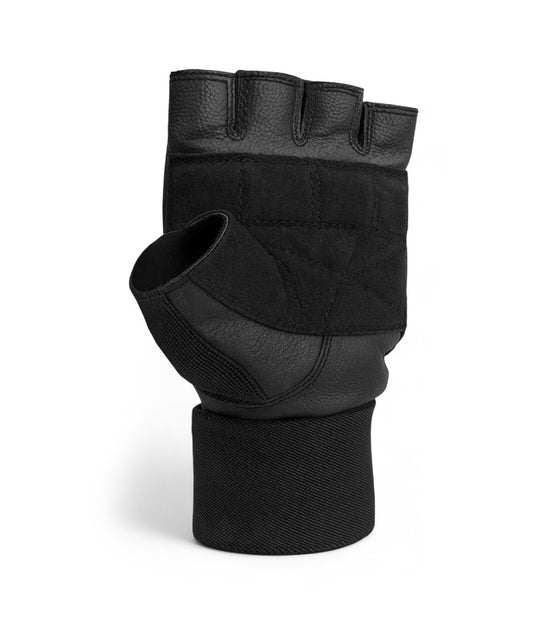
  Women's Gym GlovesGrip and comfort on the barCHF 23
  Off-White Gym TowelSoft, absorbent, for the whole sessionCHF 22
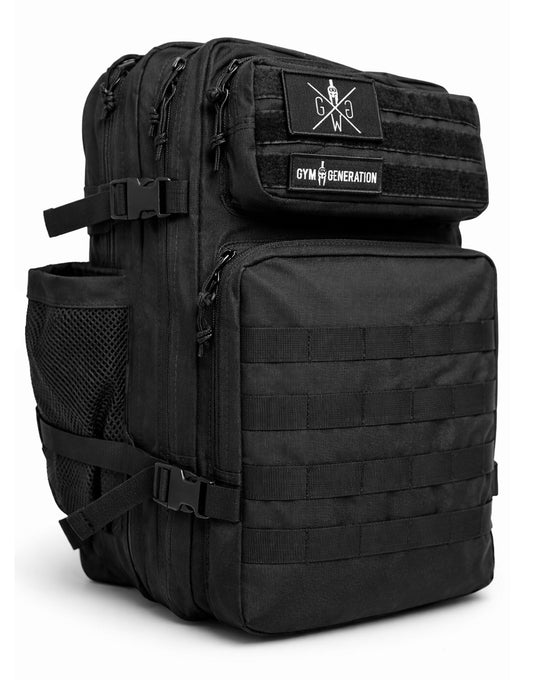
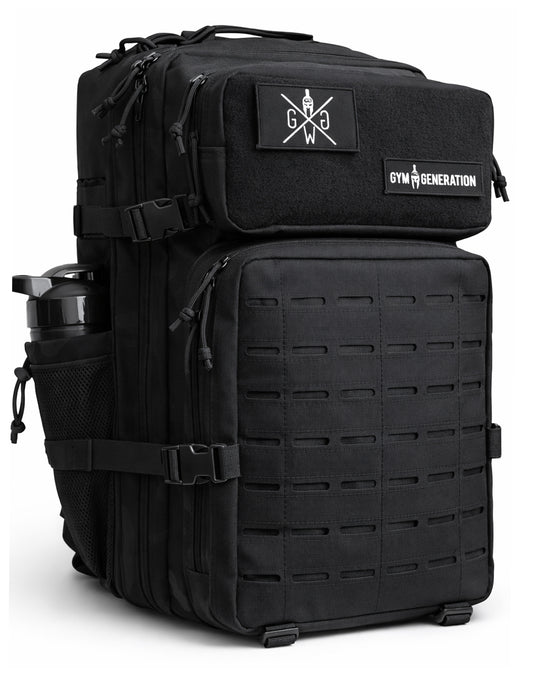
  Strawberry BackpackFor the gym, travel and everydayCHF 89
 You want to train in something that moves with you and fits. You'll find the full women's activewear range — from leggings to tops — in the shop.
How to Build Your Training Plan
- Progressive overload: add weight or reps every 1–2 weeks. No progression, no growth.
- Frequency: 2–3 glute-focused sessions per week, with at least one rest day in between.
- Reps: 6–12 heavy for the main lifts, 12–20 for isolation and activation.
- Technique: full range of motion, consciously drive through the glute, squeeze hard at the top.
- Patience: first visible changes after 8–12 weeks, real growth over months.
Training Alone Isn't Enough: Nutrition
Muscle doesn't grow out of nothing. You need enough protein — roughly 0.7–1 g per pound of body weight (1.6–2.2 g/kg) — and a small calorie surplus so your body can build. How much protein exactly and which sources are best is in the protein guide. And how muscle building works overall — training, calories, recovery — is in the muscle-building guide. The rules apply to women exactly as they do to men.
Forget the myths about "shaping" and "toning". You build a booty the way you build any muscle: lift heavy, eat enough, stay patient, keep showing up. It's less comfortable than any mini-band promise — but it's the only thing that actually works.
The booty comes from the iron.
Frequently Asked Questions About Glute Training
How do I build a bigger booty as a woman?
Through progressive strength training with the three main lifts — hip thrust, squat, Romanian deadlift — combined with enough protein and patience. Add weight regularly. Mini-bands are an accessory, not the main stimulus.
How often should I train my glutes?
2–3 times per week with at least one rest day in between. Muscle grows during recovery, not during the workout — training glutes every day won't get you there faster.
Will strength training make me too bulky?
No. Women have roughly 10 to 15 times less testosterone than men. Visible muscle gain takes months of focused work and doesn't happen by accident. You'll get firmer and stronger, not "bulky".
Are mini-bands enough to build glutes?
No. Bands are great for activation and warming up, but they don't provide enough stimulus for real growth. For that you need progressive load through compound lifts with a barbell or dumbbells.
How long until I see results?
First visible changes usually show after 8–12 weeks of consistent training. Real, noticeable growth takes months. Consistency beats any crash method.
Can I spot-reduce fat on my glutes?
Spot reduction doesn't exist. The shape of your booty comes from building muscle plus your overall body-fat level — so strength training combined with the right nutrition.
Do I need equipment to train my glutes?
The main lifts work with a barbell and dumbbells. A band helps with activation, ankle straps isolate the glute at the cable, a belt stabilizes heavy hip thrusts and squats, and straps improve your grip. Helpful, but not a replacement for training.
How much protein do I need as a woman to build muscle?
Around 0.7–1 g per pound of body weight (1.6–2.2 g/kg) per day — the same range as men, relative to body weight. Without enough protein and a small calorie surplus, no muscle grows.
About Gym Generation
Since 2013 we've equipped athletes across Switzerland and Europe for the gym — with gear that holds up to what it promises. What you read here isn't wellness fluff, it's the honest training reality from years of practice. We tell you what actually builds your glutes — even when it's less comfortable than the next mini-band promise.
Note: This article is for general information and does not replace individual training or medical advice. If you're new to strength training or have any health conditions or concerns, work with a qualified professional (a coach, or your doctor) before you start, and increase weights gradually with clean technique.