
Supplements for Muscle Growth
The supplement industry survives by selling you a hundred powders. The truth: you probably need two or three — and they cost almost nothing.
The rest is marketing. Colorful tubs, big promises, little to no effect. This guide separates what actually works from what just costs you money — honestly, no hype, with clear dosages.
The Bottom Line
- Only two supplements work directly for muscle growth: creatine and protein (whey). Both cheap and well-proven.
- Three are baseline health, not muscle magic: omega-3, zinc, magnesium — useful mainly if your diet has gaps.
- Save your money on BCAAs, fat burners, and test boosters. Effect close to zero.
- Creatine: 3–5 g per day, every day. No loading phase, no timing trick.
- Supplements are the last 5%. Training, protein, and sleep are the 95%. Without those, no powder works.
Do you even need supplements?
Honest answer: usually no. No supplement builds muscle — your training does. Supplements fill the gaps your diet leaves, and they account for a few percent. If your basics aren't in place — enough protein, progressive training, sleep — any powder is wasted money.
Foundation first, then the add-on. In that order. Anyone who flips it and bets on capsules instead of consistent training is just burning budget.
Every supplement at a glance
| Supplement | Works for muscle? | Dosage | Verdict |
|---|---|---|---|
| Creatine | Yes, strong evidence | 3–5 g/day | Worth it |
| Protein / Whey | Yes (= protein) | 0.7–1 g/lb total | Convenient, not required |
| Omega-3 | Indirect (health) | 1–2 g EPA/DHA | If you eat little fish |
| Vitamin D | Indirect | 1,000–2,000 IU (winter) | After a blood test |
| Zinc | No (only if deficient) | ~10 mg, max ~25 mg | Only if deficient |
| Magnesium | No (only if deficient) | 300–400 mg | If deficient / heavy sweating |
| BCAAs | No | – | Unnecessary |
| Fat burners | No | – | Waste of money |
| Test boosters | No | – | Waste of money |
In short: two are worth it (creatine, protein), three are gap-fillers (omega-3, vitamin D, and zinc/magnesium if deficient), the rest is marketing.
Tier 1 – What actually works
Creatine
By far the most researched supplement in strength training — the only one backed by hundreds of studies. Creatine tops up the fast energy stores in your muscles for short, intense efforts. The result: more reps, more strength, and a bit more size over time.
- Dosage: 3–5 g per day, every day. You don't need a "loading phase."
- Form: creatine monohydrate. Period. Everything else costs more for no added benefit.
- Timing: doesn't matter. Just take it daily and consistently.
- Water: yes, a little more — inside the muscle cell, not "bloated."
- Safety: in people with healthy kidneys, studies show no harm. With an existing kidney condition, clear it with a doctor first.
Protein / Whey
Technically not a supplement but concentrated food. Whey is the most convenient way to hit your daily protein target (0.7–1 g per pound, or 1.6–2.2 g/kg) when food alone falls short — a powder, not a miracle. How much protein you actually need, which sources are best, and when a shaker makes sense is all in the protein guide.
Tier 2 – Baseline health, not a muscle booster
These three don't build muscle. They're insurance against gaps in your diet — relevant if you don't cover them through real food.
Omega-3
One of the most studied nutrients there is. It can support recovery and help manage inflammation — especially if you eat little fatty fish. Guideline: roughly 1–2 g of EPA/DHA per day. Look for tested quality (free of heavy metals).
Zinc
Involved in immune function and recovery. Supplementing only makes sense with a confirmed deficiency — more is not better, and the upper limit sits around 25 mg per day. Meat, fish, and legumes usually cover your needs without a pill.
Magnesium
Important for muscle and nerve function. It can help with a deficiency or heavy sweat loss — well absorbed as citrate or bisglycinate. Guideline around 300–400 mg. Again: food first, then supplement.
Bonus: Vitamin D
An honest addition: in the darker months, vitamin D runs low for a lot of people. 1,000–2,000 IU per day in winter is a sensible guideline — ideally after a blood test rather than on a hunch.
Tier 3 – Save your money
This is where most people burn their budget. The honest take:
BCAAs
Pointless if you eat enough protein — you already have every amino acid you need. For almost everyone, it's expensive flavored water.
Fat burners & weight-loss supplements
They don't work. There's no pill that burns fat. The only compound with a small, proven effect is caffeine (3–6 mg per kg) — and you get that from coffee. You lose fat through a calorie deficit, not through capsules.
Test boosters
Tribulus, maca and the rest don't raise your testosterone in any measurable way. If your testosterone is clinically low, that belongs in a doctor's hands — not in a tub from the internet.
How to use supplements properly
- Basics first: protein, progressive training, sleep. Then add — not the other way around.
- Quality: tested brands (third-party / independently verified), especially if you compete.
- Timing is overrated: consistency beats the perfect hour — with creatine, all that matters is that you take it daily.
- No stack madness: two or three sensible things beat ten half-measures.
What supplements can't do
They don't replace training, nutrition, or sleep. They won't turn a mediocre program into a good one. They're the cherry, not the cake.
Supplements are the last, smallest piece of the puzzle. The foundation is built elsewhere: progressive training and a slight calorie surplus in the Muscle-Building Guide, your protein needs in the protein guide. Get those first — then it's even worth thinking about supplementation.
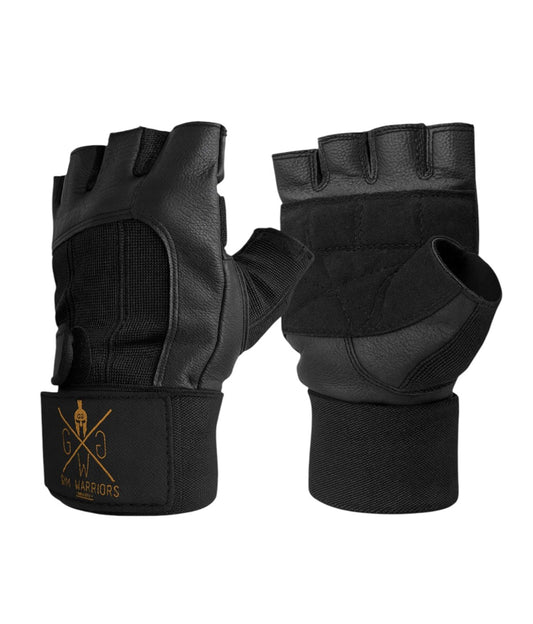
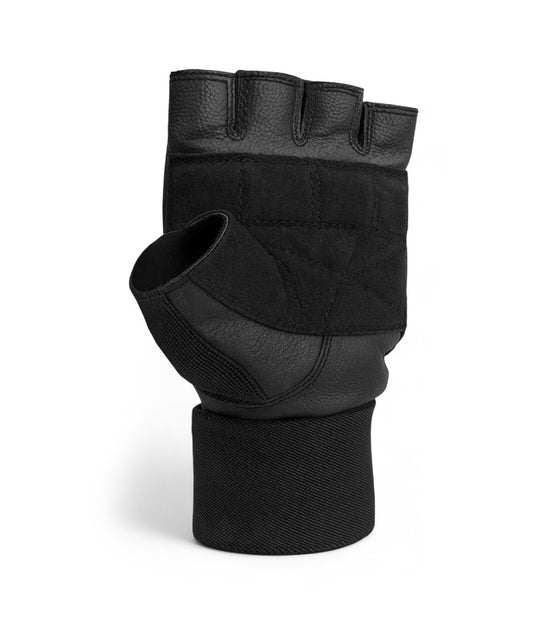
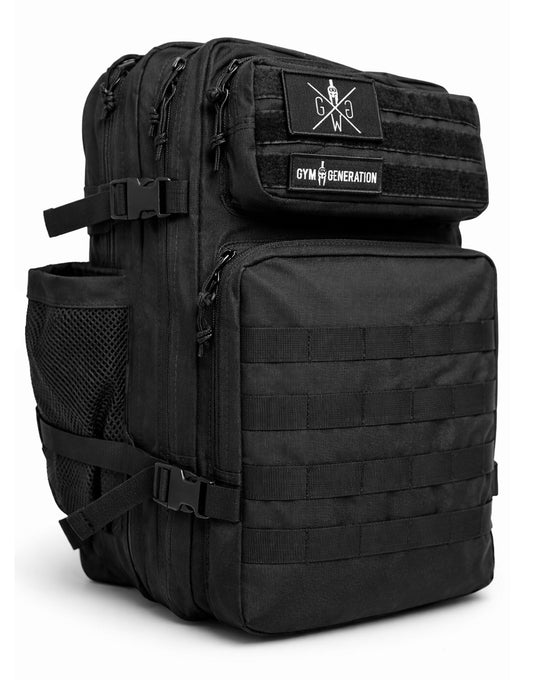
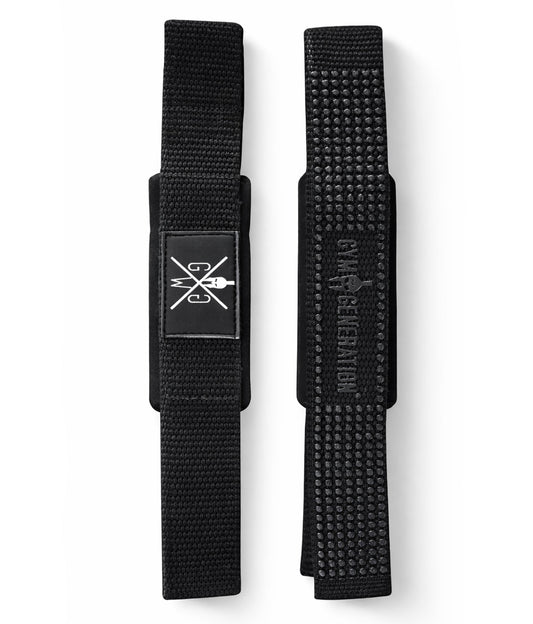
Gym Generation kits you out for what actually matters: the training. From the shaker for your creatine, to the gym gear for grip and stability, to the clothing you move in.
No powder replaces the work.
Frequently asked questions about supplements & muscle
Which supplements are actually worth it for building muscle?
Really just two: creatine and protein/whey. Omega-3, zinc, and magnesium are baseline health and only make sense if your diet has gaps. The rest – BCAAs, fat burners, test boosters – is unnecessary for most people.
Do I even need supplements to build muscle?
No. Muscle is built by your training plus enough protein. Supplements only fill gaps and account for a few percent. Without a solid foundation of training, nutrition, and sleep, no powder works.
How much creatine per day, and which form?
3–5 g of creatine monohydrate daily, long term. No loading phase needed, timing doesn't matter. Monohydrate is the best-proven and cheapest form – pricier versions add nothing.
Is creatine bad for your kidneys?
In people with healthy kidneys, studies show no damage, even with long-term use. If you have an existing kidney condition, clear it with a doctor before starting.
Do BCAAs do anything?
For most people, no. If you eat enough protein, you already have all the amino acids you need from food – BCAAs are then unnecessary and expensive.
Do fat burners or weight-loss supplements help?
No. There's no pill that burns fat. You lose fat through a calorie deficit. The only compound with a small, proven effect is caffeine, which is in coffee.
When should I take supplements?
Timing is secondary. With creatine, daily consistency is what counts, not the hour. Take whey whenever it helps you hit your protein target.
Are supplements dangerous?
Sensibly dosed, tested products are usually safe for healthy people. But more is not better, and upper limits apply. With pre-existing conditions or medication, clear it with a doctor first.
About Gym Generation
Since 2013 we've been kitting out athletes across Switzerland and Europe for the gym. And that's exactly why you can trust this: we don't sell supplements. We have zero reason to upsell you anything. What you read here is the honest take from years of hands-on practice and the current research (including the ISSN and EFSA) – including the inconvenient truth that you don't need most of it. We sell gear, not miracles.
Note: This article is for general information and does not replace individual nutritional or medical advice. Supplements are not a substitute for a balanced diet. If you have a pre-existing condition, take medication, are pregnant or breastfeeding, or are unsure, talk to a doctor or a qualified nutrition professional before taking anything.