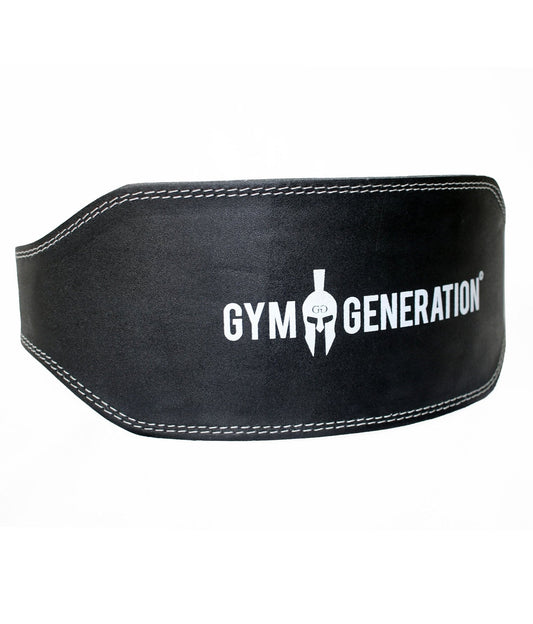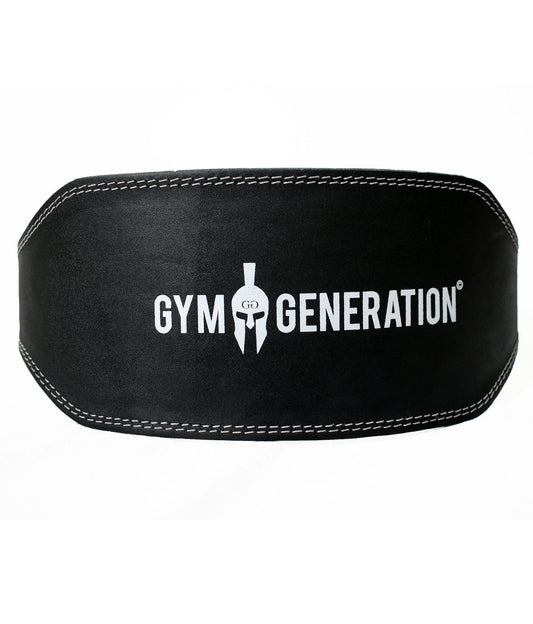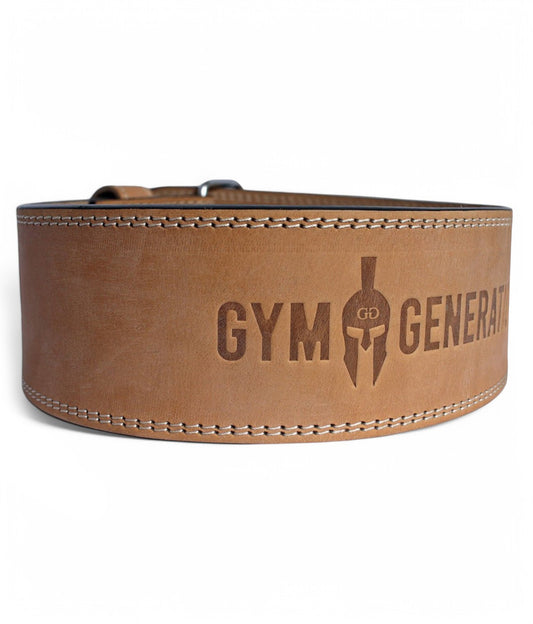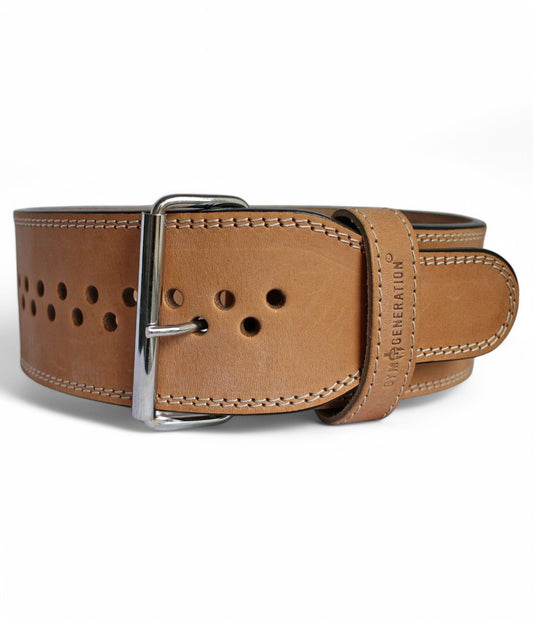
Weightlifting Belts & Gym Belts for Strength Training & Powerlifting

Weightlifting belts for everyone who lifts seriously — in genuine leather, neoprene or nylon, with a padded lumbar section and double-stitched seams for uncompromising support. Gym belts increase intra-abdominal pressure, stabilize your spine and protect your lower back on squats, deadlifts and heavy compound lifts.

Sportler trägt graues langärmliges Gym Generation Sportshirt beim Outdoor-Training im Winter. Weisses Gym Generation Stringer Tank Top mit goldenem Logo, getragen von Model Vanessa Mariposa mit langen blonden Haaren und Sonnenbrille.
Silvio, Vanessa Verified icon

and over 60,000 customers trust Gym Generation

GYM GENERATION GUIDE

FAQ – Weightlifting Belts, Material & Use

Mann im Gym trägt schwarzen Gewichthebergürtel aus Leder beim Krafttraining mit Hantelscheibe – Gym Generation

What is a gym belt for?

A gym belt increases intra-abdominal pressure — put simply: you push your belly out against the belt from the inside, and that stabilizes your spine like an internal bracing wall. It takes load off the discs, improves force transfer on heavy compound lifts and gives you more control on squats and deadlifts. Not a gimmick, but a functional training tool for safe, efficient lifting.

When does a weightlifting belt make sense?

A weightlifting belt makes sense once you're working at around 80% of your max (1RM) or more on compound lifts. It earns its place on squats, deadlifts, overhead presses and heavy rows. For isolation work, machines or warm-ups you don't need it. One thing matters first: technique — the belt doesn't replace clean form, it reinforces it.

How do you put a weightlifting belt on correctly?

Position the belt at navel height and close it moderately tight — snug, but still loose enough to breathe deep into your belly. Before the lift, take a deep breath, hold the air and actively push your belly out against the belt to build internal pressure. Perform the lift stable and controlled. After the set, loosen the belt again. A belt worn too loose does nothing.

Which material is best — leather, neoprene or nylon?

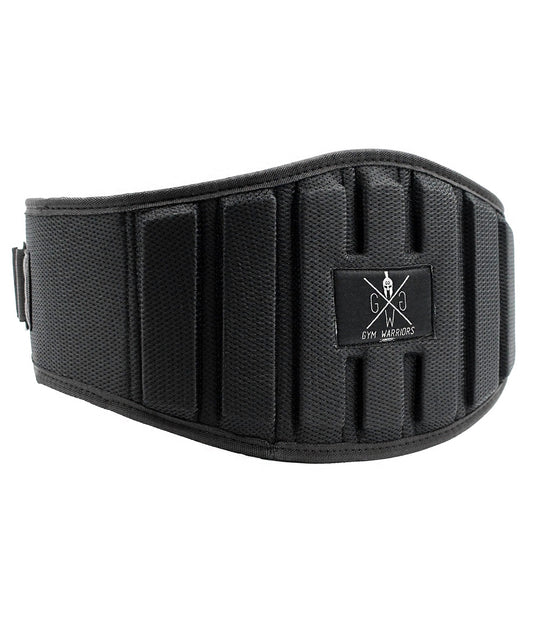
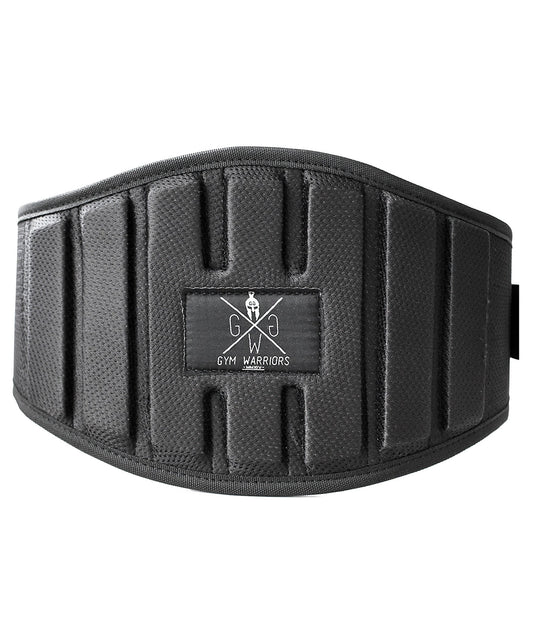
It depends on your training. Genuine leather offers maximum stability and stiffness — ideal for powerlifting and heavy max lifts. Neoprene is flexible, light and breathable — perfect for bodybuilding and high training frequency. Nylon with a Velcro closure sits in between: stable support with full freedom of movement, ideal for functional training and calisthenics. Whichever gym belt you choose — all our models have a padded lumbar section at the back.

How tight should a weightlifting belt sit?

The belt should sit snug but not cut in. The rule of thumb: you should still be able to breathe deep into your belly and actively push out against the belt — that counter-pressure is exactly what builds the stabilizing effect. Too loose and the pressure is missing; too tight and you block your breathing. To find the right size, measure your waist at navel height and compare it with the size chart on the product page.

Does a weightlifting belt weaken your core or abs?

No — that's a common myth. When you actively push out against the belt, your core works harder, not less. The belt gives you resistance for your core muscles to brace against. The only thing that matters is using it deliberately — on heavy lifts, not permanently during warm-ups or on machines. That way your core stays active and gets stronger over time.

Are weightlifting belts useful for women too?

Yes, absolutely. The function is identical for women and men: more core stability, spinal support and better force transfer on heavy compound lifts. What matters is the right size and fit — we carry weightlifting belts in several widths and sizes, so narrower waists get an optimal hold too. Whether powerlifting, bodybuilding or functional training: a well-fitted belt gives every athlete the same advantage.

How do I care for my weightlifting belt?

Clean leather belts with a slightly damp cloth and treat them occasionally with leather care, so the material stays supple and doesn't dry out. Wash neoprene and nylon belts with mild soap and let them air-dry — never in the dryer. Cared for properly, a quality weightlifting belt with a padded lumbar section and double stitching will last you many years of intense training.

Collection: Weightlifting Belts & Gym Belts for Strength Training & Powerlifting

Lifting Belts by Gym Generation – for Strength Training, Bodybuilding and Powerlifting

A lifting belt gives you more stability and control on heavy compound lifts – provided the material, width and buckle match your training. Whether you call it a weightlifting belt, a lifting belt or simply a gym belt: at Gym Generation you'll find the full range in one place – from light neoprene belts for getting into strength training to nylon belts for dynamic sessions and stiff 10 mm genuine leather for powerlifting and heavy deadlifts. Plus dedicated models for women and the full selection for men.

What Lifting Belts Actually Do – Intra-Abdominal Pressure and Core Stability

Think of the gym belt as something to brace against – not as a support that holds you up. On a heavy lift, you breathe deep into your belly, hold the air and push your abdominal wall out against the material. That counter-pressure helps build intra-abdominal pressure and stabilizes your core from the inside, like a bracing wall made by your own body. The result: cleaner force transfer, more control and less energy lost through wobble. You feel the difference most from around 80% of your max – on squats, deadlifts and heavy presses. For warm-ups or machine work, you don't need it.

Leather, Neoprene or Nylon – Choosing the Right Material

The material decides the stiffness, and the stiffness decides the use case. Our models cover the full range – from a light gym belt to uncompromisingly stiff leather for powerlifting.

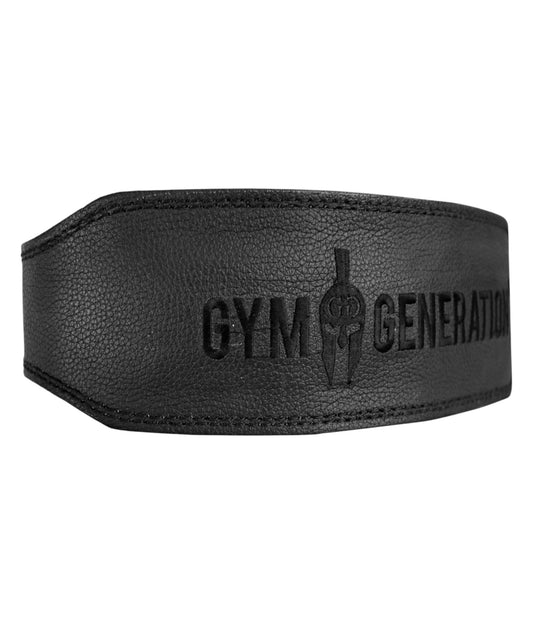
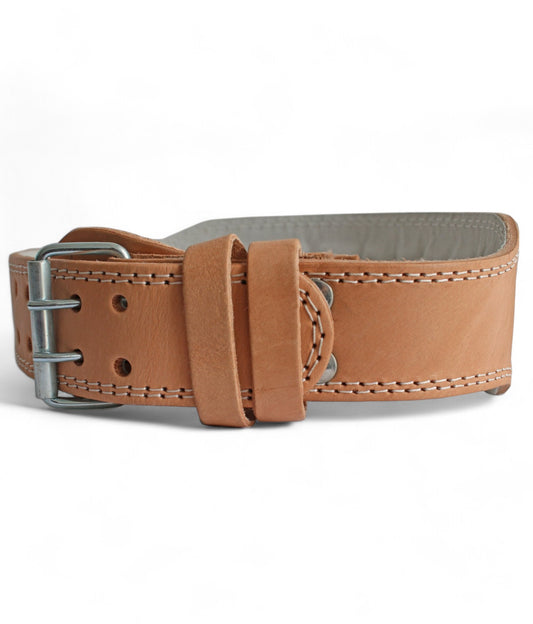
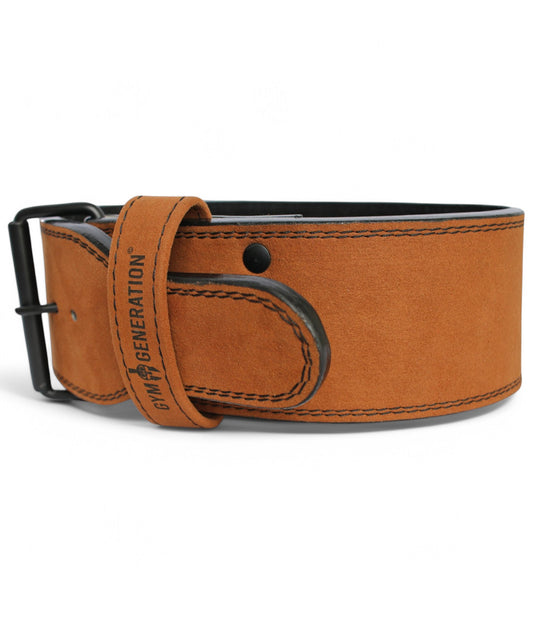
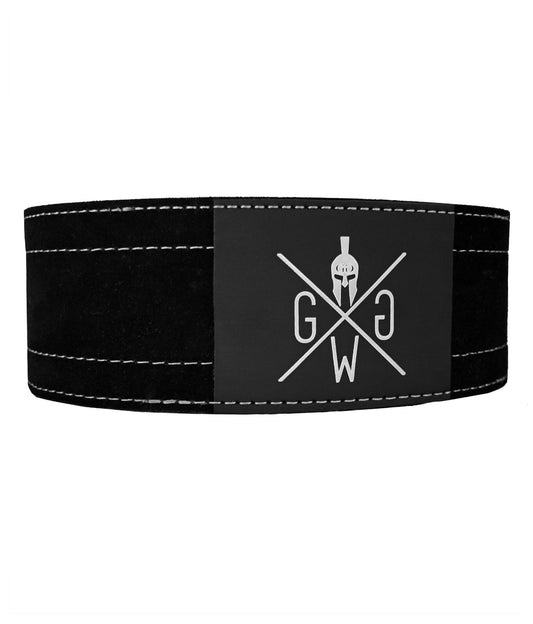
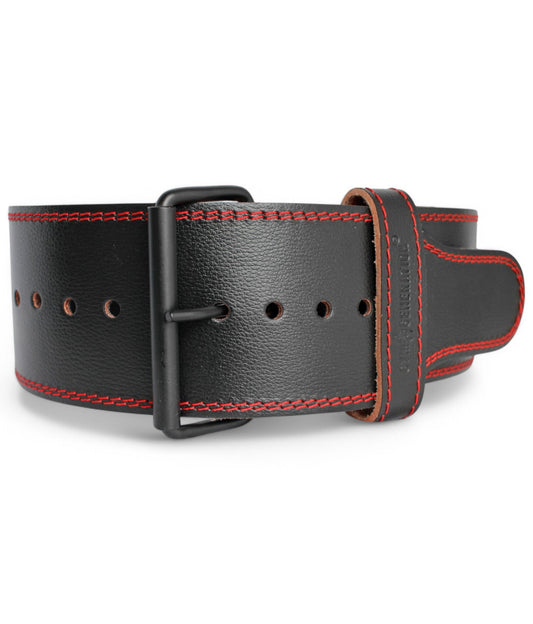
Genuine leather – maximum stiffness, up to 10 mm thick and 10 cm wide depending on the model. Built for heavy deadlifts, max-effort work and powerlifting, where every millimetre of stability counts. Available in black, brown, beige, natural-tanned and grained leather, some with red contrast stitching like the black leather belt with red stitching or the premium leather belt in brown – with the logo embossed, embroidered or printed depending on the model.

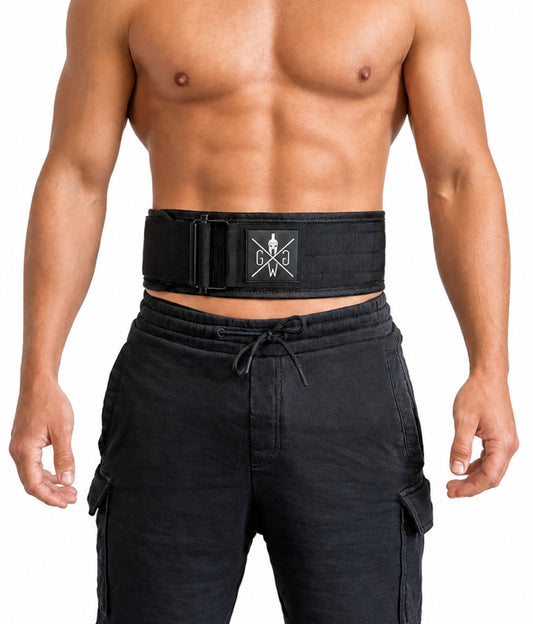
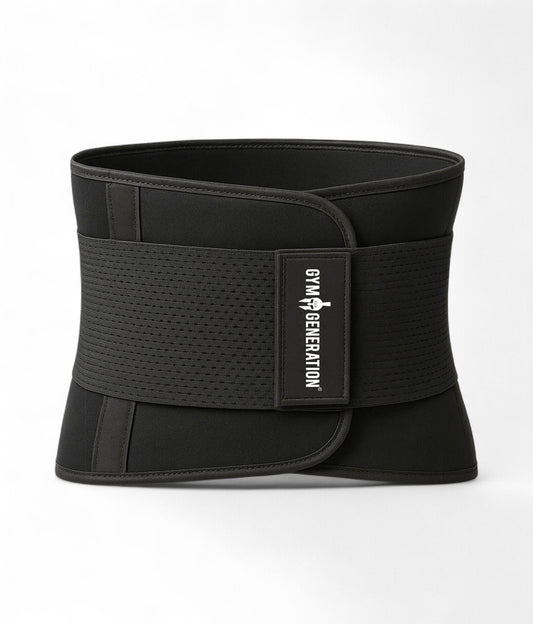
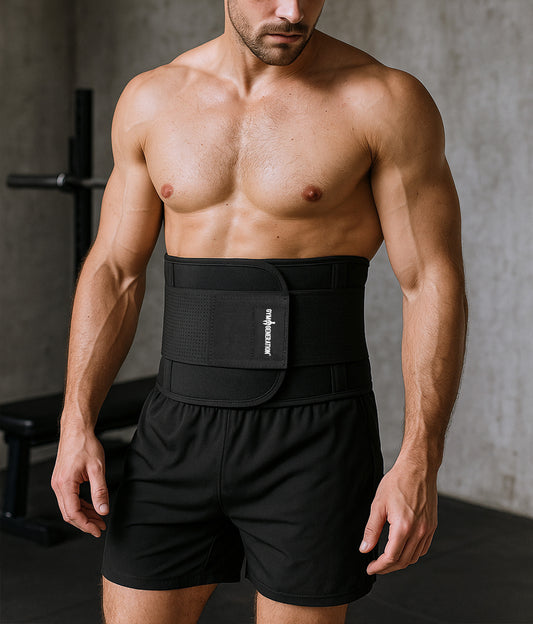
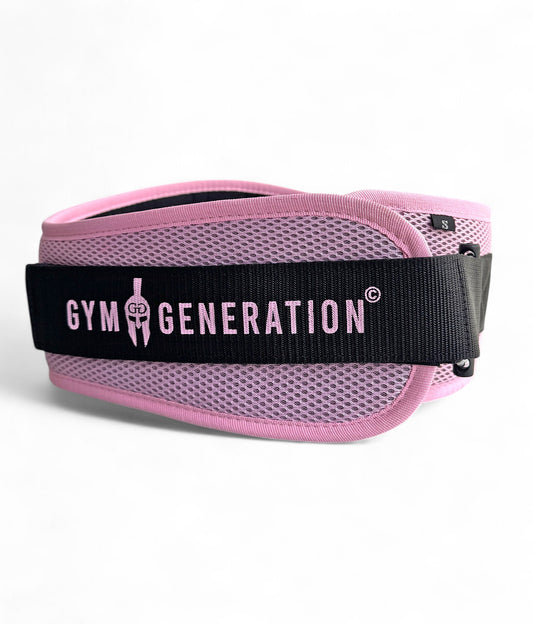
Neoprene – light, flexible and softly padded, like the neoprene belt with Velcro. A solid choice for bodybuilding, hypertrophy work and high-volume training days.

Nylon – the middle ground between the two: stable support with more freedom of movement. A practical option for dynamic strength training, weighted calisthenics and sessions where mobility matters.

Lever, Double-Prong or Velcro – the Buckles Explained

The buckle decides how fast and how tight you can close the belt. Depending on the model:

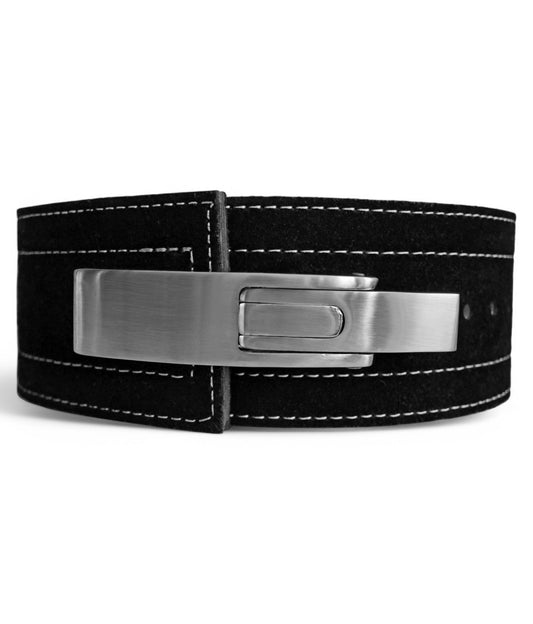
Steel lever buckle – locks in firmly and releases in seconds with the lever, like the Powerlifting Belt with quick-release lever. Built for heavy loads and fast changes between sets.

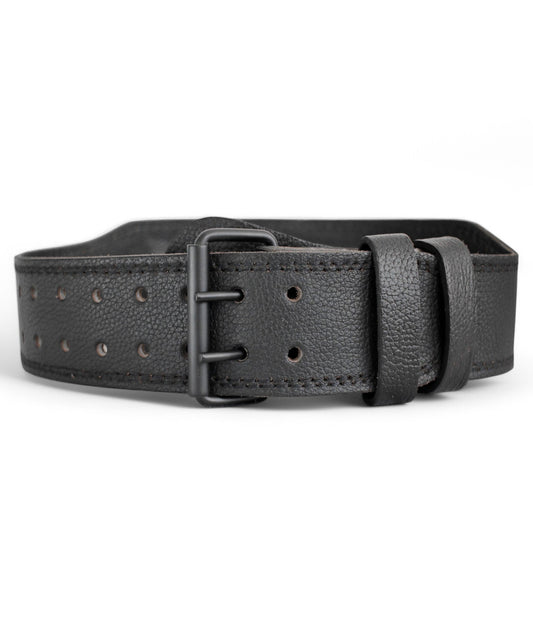
Double-prong buckle – the riveted powerlifting classic in matte black, like the All Black Nappa leather belt. Two prongs, high security and reliable adjustment for years of heavy training.

Single-prong buckle – slimmer and quicker to put on, ideal for moderate loads and regular strength training.

Velcro – used on our light gym and neoprene belts, made for dynamic training with frequent adjustments.

What Makes a Quality Lifting Belt – Lumbar Pad, Suede Lining and Double Stitching

Support is built into the construction, not the marketing. Our leather models are anatomically contoured – wider at the back, narrower at the front – so the belt doesn't dig into your ribs when you drop into a squat. The padded lumbar section spreads pressure across the lower back instead of letting it hit one single point. The brushed suede-finish lining grips your shirt and stays in place under load. Seams are double-stitched, edges are blackened and sealed, and on the heavy-load models the corners are reinforced with metal rivets. The leather is built to hold its shape – even after hundreds of heavy sets.

Lifting Belts for Women – Padded, Breathable and Easy to Adjust

For women we carry several gym belts with breathable mesh, full padding and Velcro closures for fast adjustment. They are anatomically cut, snug, light and flexible – a strong choice for strength training, bodybuilding and dynamic sessions. And if you train heavy, you are not limited to soft belts: our leather and nylon models start at size S, so a narrower waist can still get a firm fit – from a flexible training belt to stiff leather for deadlifts.

Lifting Belts for Men – from Neoprene Gym Belts to 10 mm Powerlifting Leather

For men the full range is open: light neoprene for high-volume training, nylon for dynamic strength work and stiff genuine leather up to 10 mm for max strength and powerlifting. The right belt is decided by the load, not by the label. From around 80% of your max, stiffer material and a double-prong or steel lever buckle make more sense. Our leather models are anatomically contoured and available in several sizes.

From Gym Belts to Powerlifting Belts – Which One Fits You?

General strength training and fitness: a light, padded neoprene gym belt with Velcro – reliable support, easy adjustment and a light feel that doesn't restrict you. Ideal as an entry point and for everything below heavy max lifts.

Bodybuilding and hypertrophy: neoprene or nylon – more comfort and freedom of movement during high-volume sessions, without losing the bracing effect when the set gets heavy.

Powerlifting and heavy deadlifts: stiff genuine leather up to 10 mm with a double-prong leather belt or a steel lever buckle – maximum stability when the bar gets truly heavy.

For weighted dips and pull-ups, you'll also find dip belts with a steel chain – in leather or nylon. Same training mindset, different job.

Gym Generation since 2013 – Swiss Brand, Straight from Our Warehouse

Gym Generation designs training gear in Switzerland – since 2013, with our own warehouse and direct shipping, no dropshipping and no middlemen. More than 60,000 customers have ordered from us, our products hold a 4.7 out of 5 star rating from over 1,000 reviews, and we've been to FIBO three times. Within Switzerland we usually deliver in 1–3 business days, and we ship internationally from here. Built by people who don't just sell belts but stand under the bar themselves – and know exactly where a cheap belt fails first.